Footwear wears out in stages. A sole can lose its tread while the upper still looks sound; a comfortable upper can outlast an insole. Choosing a pair you can maintain starts with fit and a realistic repair route, rather than a promise that the original parts will last forever.
This is a researched buying guide, not a report of personal wear testing. The linked product pages include manufacturer references and indicative US budget ranges. Seller prices and local repair costs vary.
Start with the job and the fit
A work boot, a hiking boot, and a casual clog are not interchangeable. Decide where you will wear the pair, then try it with your usual socks. Allow enough toe space, check heel movement, and pay attention to pressure across the instep. A repairable boot that never fits comfortably is a poor long-term purchase.
For work footwear, confirm the safety requirements of the job and the specification of the exact model. A familiar model name can cover different toe protection or outsole versions. For hiking, balance support against weight and the terrain you actually walk. For casual footwear, decide whether an open heel and a shaped footbed suit your routine.
Work boots: inspect the exact construction
Danner Bull Run and Thorogood American Heritage give you two leather work-boot families to compare. Do not choose between them on a brand reputation alone: ask about sizing, the sole, and repair options for the exact pair.
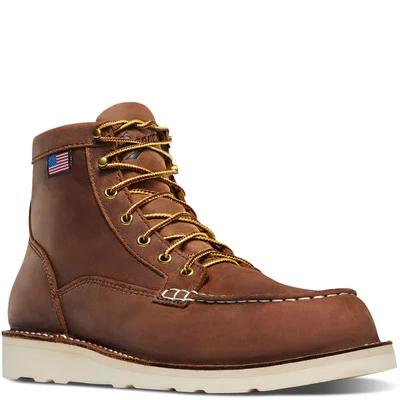
For everyday work where this exact boot meets your requirements.
$200– $250Buy NowSee product details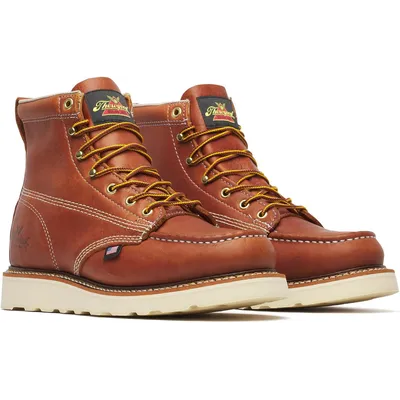
For a substantial leather work boot with welted construction.
$200– $250Buy NowSee product detailsA repair service still needs an upper worth saving. Keep dirt from building up around seams and sole attachments, let wet boots dry gradually, and use the maker’s recommended leather care. Ask about wear before the sole becomes so damaged that the repair gets more involved.
Hiking boots: weigh repairability against weight
The Mountain Light II is a specific option for someone who prefers a substantial leather boot. Danner lists the model as recraftable, with a GORE-TEX lining and Vibram outsole. At around 63 ounces per pair, it asks you to carry considerably more boot than a lightweight trail shoe.
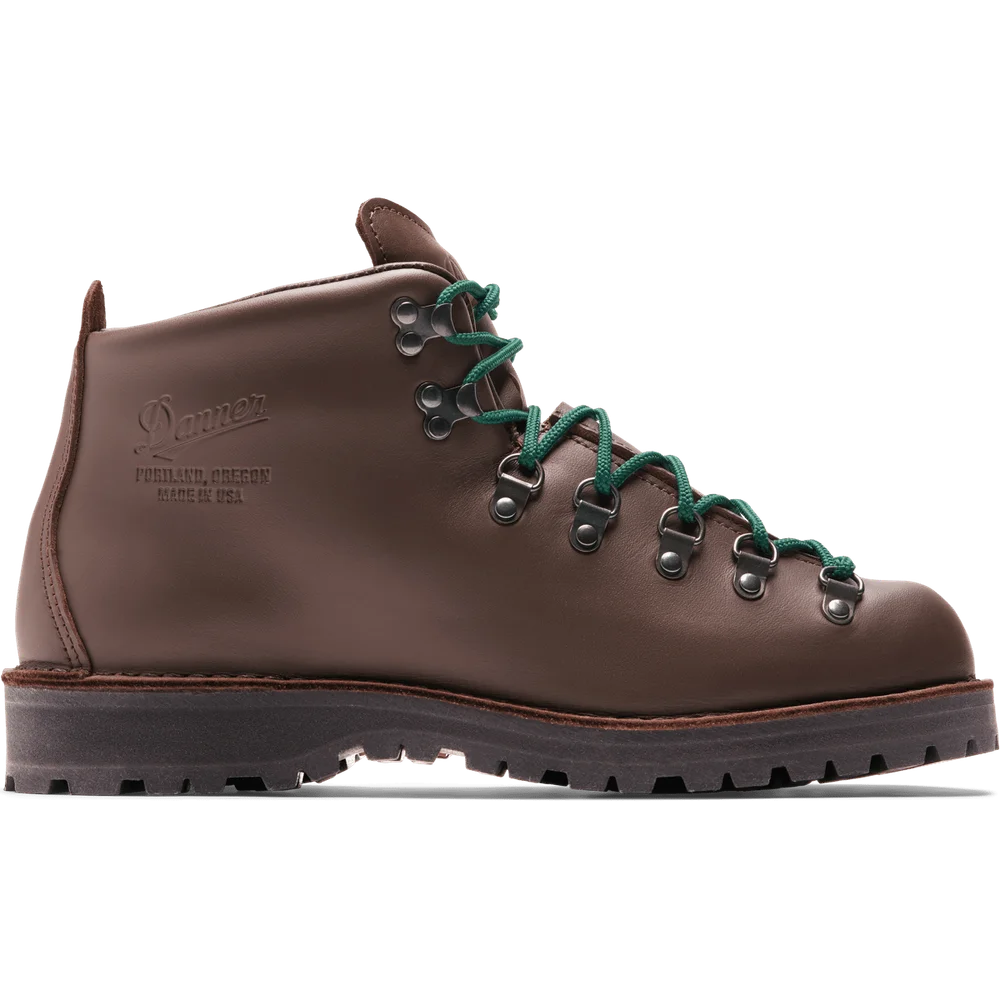
Hikers who prefer a substantial leather boot with a repair route.
$430– $500Find on AmazonSee product detailsRead Danner’s recrafting information for available services and condition requirements. Recrafting can address wear, but it has a cost and does not guarantee that every damaged pair can be rebuilt. If you walk mainly on easy trails, a lighter shoe may serve you better even if its maintenance options differ.
Sandals and clogs: compare width and footbed
The Arizona and Boston offer different coverage around a shaped cork footbed. The Arizona has two adjustable straps and an open toe; the Boston covers the toes while leaving the heel open. Neither should be chosen as waterproof footwear.
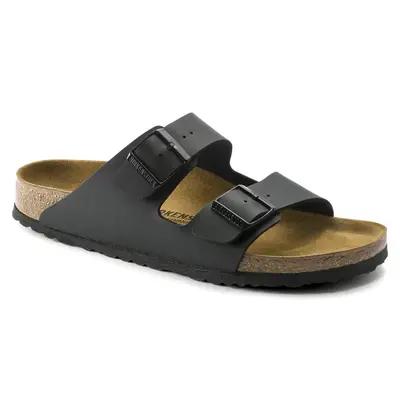
For warm-weather casual wear with an adjustable cork sandal.
$100– $150Buy NowSee product details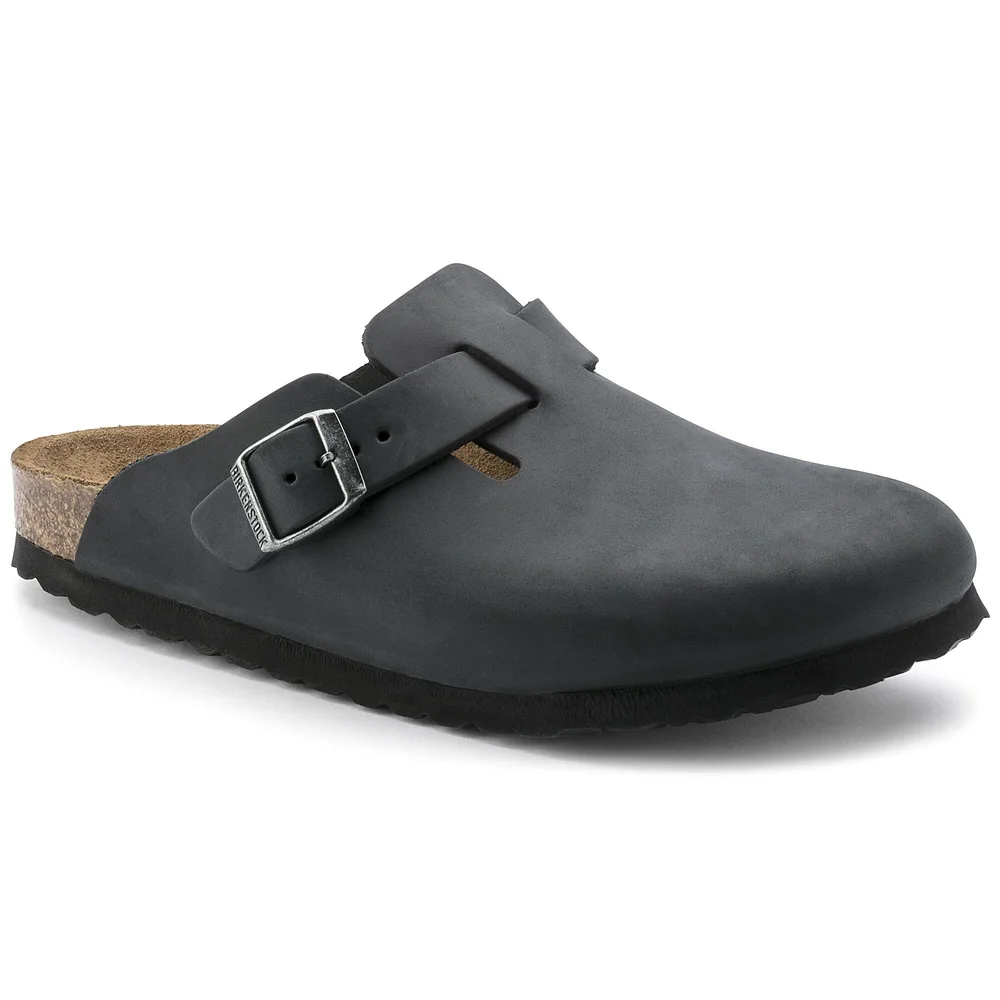
Casual wear for someone who already likes a shaped footbed.
$150– $180Find on AmazonSee product detailsFollow Birkenstock’s care guidance, especially for exposed cork, moisture, and heat. Ask a footwear repair specialist about sole replacement while the upper and footbed are still in good condition. Local services differ, so do not assume a repair available in one country will be available everywhere.
Five questions before buying
- Does this exact size and width fit? Try the footwear with the socks you intend to use.
- Which parts can be replaced? Ask about soles, footbeds, insoles, laces, and damaged stitching separately.
- Who will do the repair? Identify a manufacturer service or local specialist before you need it.
- What might it cost? Include repair work and shipping when comparing a premium pair with a simpler alternative.
- What condition rules apply? Cracked uppers or extensive damage can make a previously repairable pair unsuitable for repair.
For an outdoor kit, see the camping gear guide. If you are buying footwear as a gift, arrange a fitting or choose it with the recipient: size alone does not settle comfort.